Technique & presentations
Casting, lure control, rigging, and choosing presentations that fit the conditions.
A season of development
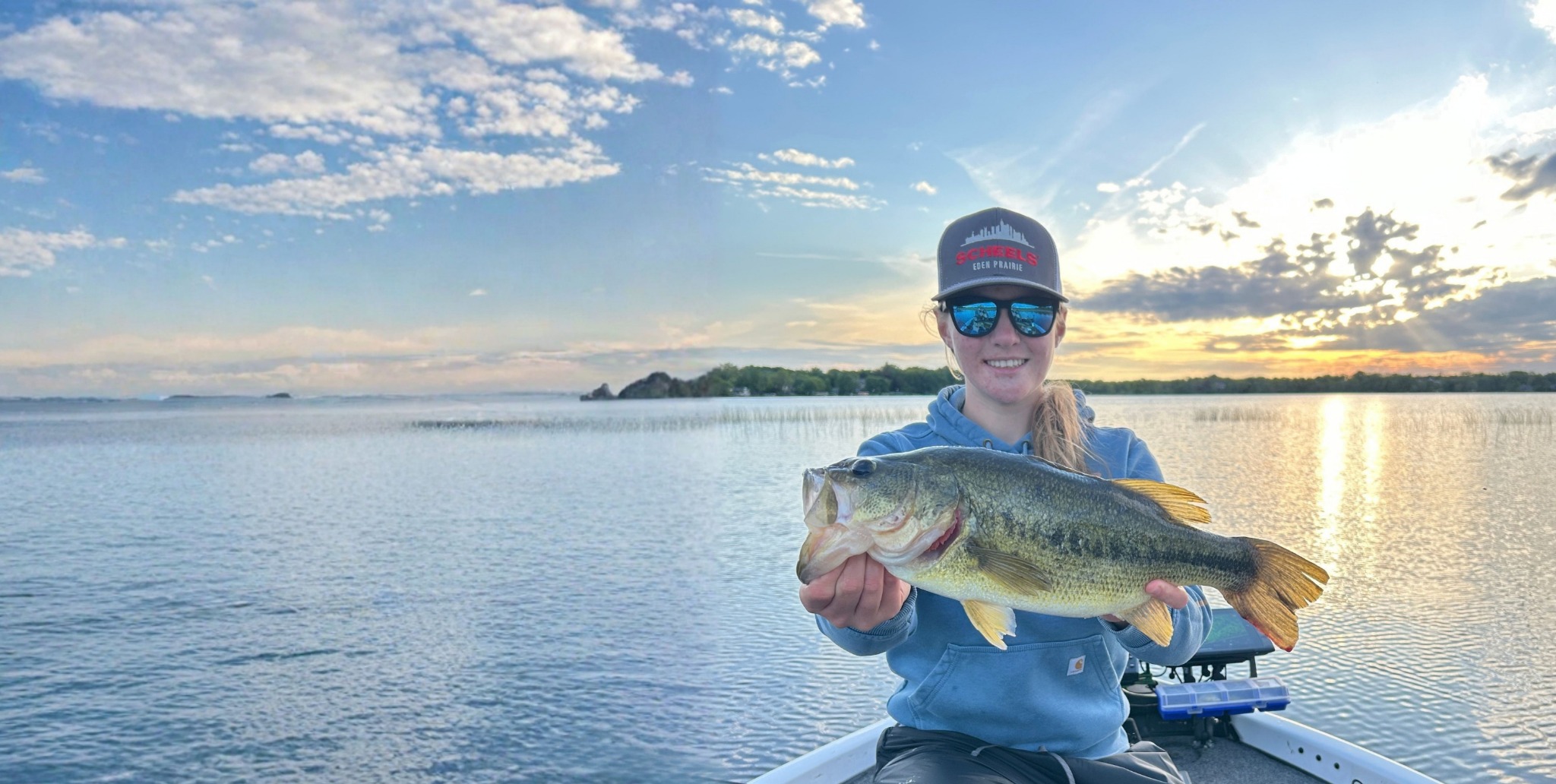
Every day on the water presents different choices. Where should you start? What should you notice? When is it time to change?
EAA helps students work through those decisions. Coaching combines instruction, practice, and feedback so students understand what worked, what didn’t, and what to try next.
The program serves the Twin Cities metro area, with sessions running May through August.
What we work on
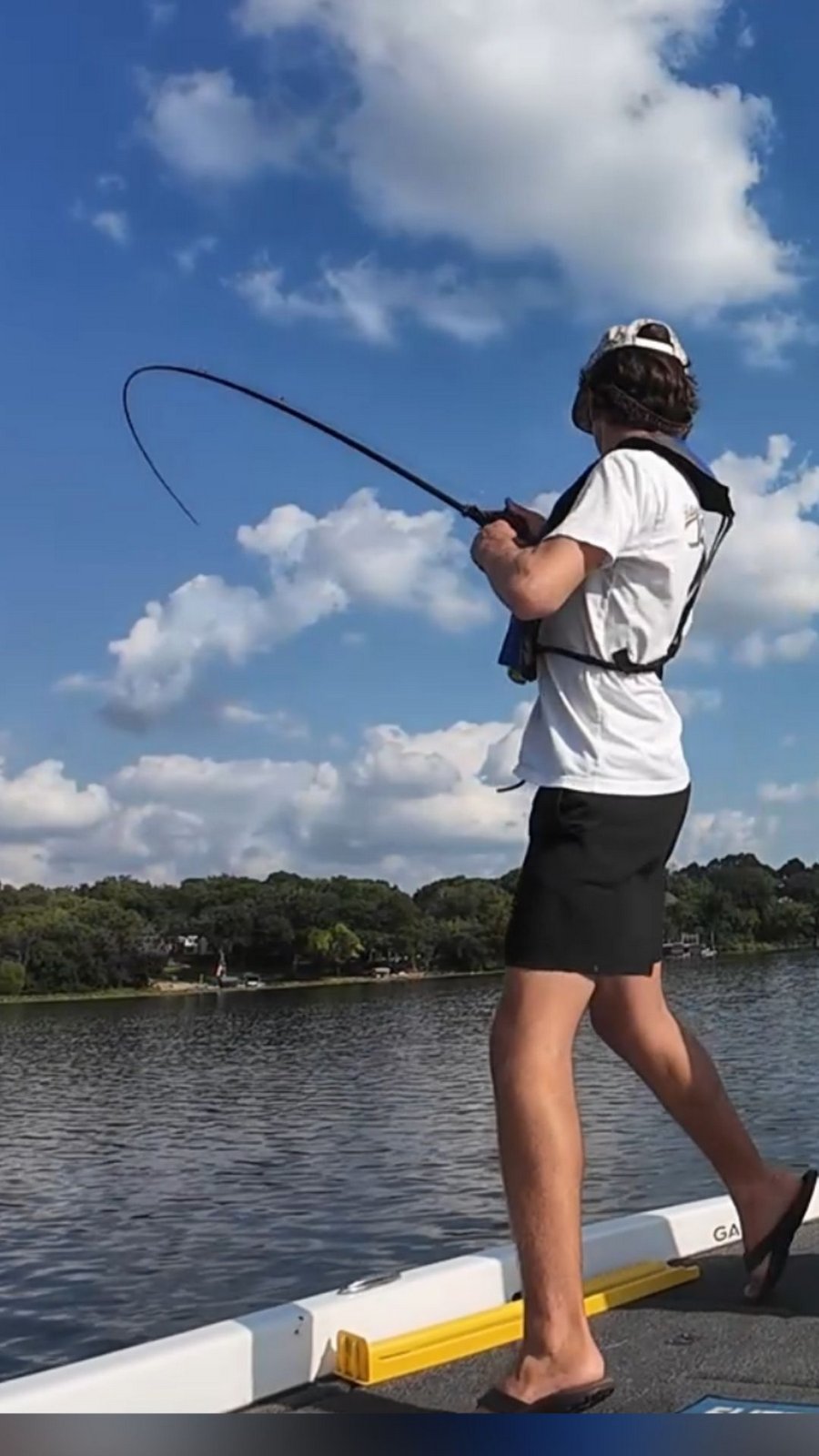
Casting, lure control, rigging, and choosing presentations that fit the conditions.
Reading shorelines, structure, cover, seasonal patterns, and electronics.
Boat positioning, practice strategy, time management, and knowing when to adjust.
EAA welcomes beginners through experienced student anglers who have competitive goals and want to work at improving.
If you’re looking for a guided outing or casual fishing time without an ongoing coaching commitment, EAA probably isn’t the right fit.
Included with Full Track
Every Full Track student receives a personalized season-end Student Angler Assessment—a written season review and development plan based on their coach’s observations.
Where we coach
Explore coaching locations in the West, North, and South Metro. Lakes may include those below, with locations selected around conditions and coaching goals. We’ll discuss travel and scheduling fit during enrollment.
Minnetonka, Independence, Waconia, and Medicine.
Bald Eagle, Forest, Chisago, and White Bear.
An occasional Minnetonka session may also be an option.
Prior, Marion, O’Dowd, Orchard, and Crystal.
Before you enroll
We welcome student anglers ages 9 and older. Tell us about your student’s experience and goals, and we’ll talk through whether EAA is a good fit.
No. We coach beginners through advanced student anglers. What matters most is an interest in competitive fishing, a willingness to learn, and time to practice between sessions.
Yes. One enrollment covers one or two anglers in the same boat. We’ll talk about their experience and goals to make sure the pairing works well.
Absolutely. A parent or boat captain is welcome to join the session and learn alongside the student anglers.
Start with a conversation. Tell us about your student angler and what you’re hoping to get out of coaching. We’ll answer your questions and work out whether EAA is a good fit. Enrollment is by invitation, and space is limited.
Everyone follows the coach’s safety instructions and wears protective, impact-resistant sunglasses. Anglers 15 and younger wear a life jacket the entire time on the water. Those 16 and older wear one whenever the boat’s main engine is running—and everyone wears one whenever the coach asks.
Bring protective, impact-resistant sunglasses and sun protection, such as a sun shirt, gaiter, or sunscreen. A comfortable, properly fitted, U.S. Coast Guard–approved life jacket is encouraged; we also have life jackets available. Equipment use is included. Before we head out, let us know about any medical needs, allergies, or medications that could affect the session.
EAA requires anglers 13 and older to have a Minnesota Watercraft Operator’s Permit so they understand boating safety. The coach always runs the boat’s main engine. Students may get to use the trolling motor as part of a lesson, with the coach’s guidance.
Come ready to learn, listen to your coach, treat people and equipment with respect, and be a good sport. Phones stay put away unless needed for communication, safety, or the lesson. No profanity, tobacco, or vaping.
Just tell the coach. We’ll arrange a stop on shore or find appropriate facilities. Students may not urinate off the boat or into the water.
You’ll choose dates for your 10 Full Track or 6 Flex Track sessions from the available summer coaching schedule—you don’t need to attend every week. Full Track families get first access, followed by Flex Track families. We’ll discuss locations and scheduling before you enroll.
We coach on lakes around the Twin Cities metro. We’ll discuss your coach, locations, and travel expectations before you enroll. Sometimes we’ll change lakes because of conditions or tournament restrictions.
Rain alone doesn’t necessarily stop a session, but lightning and unsafe conditions do. Your coach may move, shorten, postpone, or cancel a session to keep everyone safe. If the coach cancels a session, we’ll try to find a replacement date, but we can’t guarantee one.
Tuition is non-refundable. If you miss a session, make-ups aren’t guaranteed.
Families handle transportation. Please arrive on time for drop-off and pick-up.
Usually, but a qualified substitute may step in when needed. We’ll do our best to let you know ahead of time.
Each Full Track student receives a personalized written assessment at the end of the season. It reviews their goals and development, describes capability across eight skill areas, and identifies three priorities for continued progress. It also includes practical recommendations for the off-season, equipment and future coaching.
Explore the sample or .
The ratings describe how consistently a student applies each skill, based on their coach’s observations:
Each rating comes with specific observations. These are descriptions of capability, not rankings against other students or an overall letter grade. A skill the coach has not observed can be marked “Not observed.”
Yes. Each Full Track student receives their own assessment, with observations, skill ratings and development priorities specific to that student.
Practice what you’ve learned and bring your questions to the next session. Both tracks include guidance for students and parents on equipment, opportunities, and development. Full Track adds more involved tournament preparation and follow-up. Flex offers support without that regular tournament-by-tournament involvement.
We respect tournament rules, which may mean staying off a lake before an event. Coaches sometimes captain for family members or other teams, so we don’t share private waypoints or competitive information from those efforts. Our focus is teaching students how to find fish and make their own decisions.
Ask us. Extra sessions and smallmouth trips involving travel depend on availability and cost extra. We’ll discuss the location, timing, and price before you commit.
Normal wear is part of fishing. Please take care of the boat and gear. If equipment is damaged beyond normal wear, we’ll talk with you about repair or replacement costs.
Enrollment
Tell us about your student angler, their goals, and what you’re looking for in a coach.
Enrollment is by invitation and closes once capacity is reached.